


Investing in high-performance upcycled textile processing infrastructure, industrial textile sorting technologies, and automated fiber-reclaiming systems presents an unprecedented high-yield growth avenue for apparel brands, commercial manufacturing groups, and textile waste management firms looking to dominate the global circular fashion supply chain.
The fashion industry is undergoing a massive structural shift away from linear resource exploitation toward closed-loop fiber regeneration, driven by evolving consumer demand and strict international municipal environmental compliance mandates. Establishing an enterprise-scale upcycled clothing operation requires deploying advanced mechanical shredding, automated optical fiber-sorting equipment, and high-tenacity fiber re-spinning technologies that convert post-consumer and post-industrial textile waste into luxury-grade garments.
By substituting virgin raw material procurement with regenerated textile stock, high-end apparel labels can drastically compress supply chain lead times, insulate their operating margins from volatile agricultural commodity prices, and command premium retail pricing among eco-conscious demographics. Implementing modern circular textile frameworks protects commercial enterprises against impending carbon taxation penalties and municipal landfill disposal tariffs, turning potential waste liabilities into high-margin product lines.
Leading global apparel groups are increasingly acquiring specialized textile recycling plants and partnering with advanced material science pioneers to secure exclusive access to premium recycled yarns. Furthermore, utilizing automated pattern-cutting systems, digital inventory sorting, and eco-friendly garment re-dyeing solutions ensures that every yard of reclaimed fabric maintains pristine structural integrity and luxurious visual appeal. As global regulatory bodies accelerate strict accountability standards across the retail supply chain, establishing an early operational footprint in enterprise-grade upcycled garment manufacturing guarantees strong investor interest and sustainable corporate valuation growth.
Capitalizing on this multi-billion-dollar market opportunity demands a comprehensive understanding of automated fiber recovery equipment, strategic raw material sourcing channels, and high-volume commercial production workflows. Ultimately, integrating advanced upcycled textile technology into your enterprise operational framework positions your brand as a market authority in modern sustainable luxury fashion.
A. Industrial Automated Textile Optical Sorting Equipment
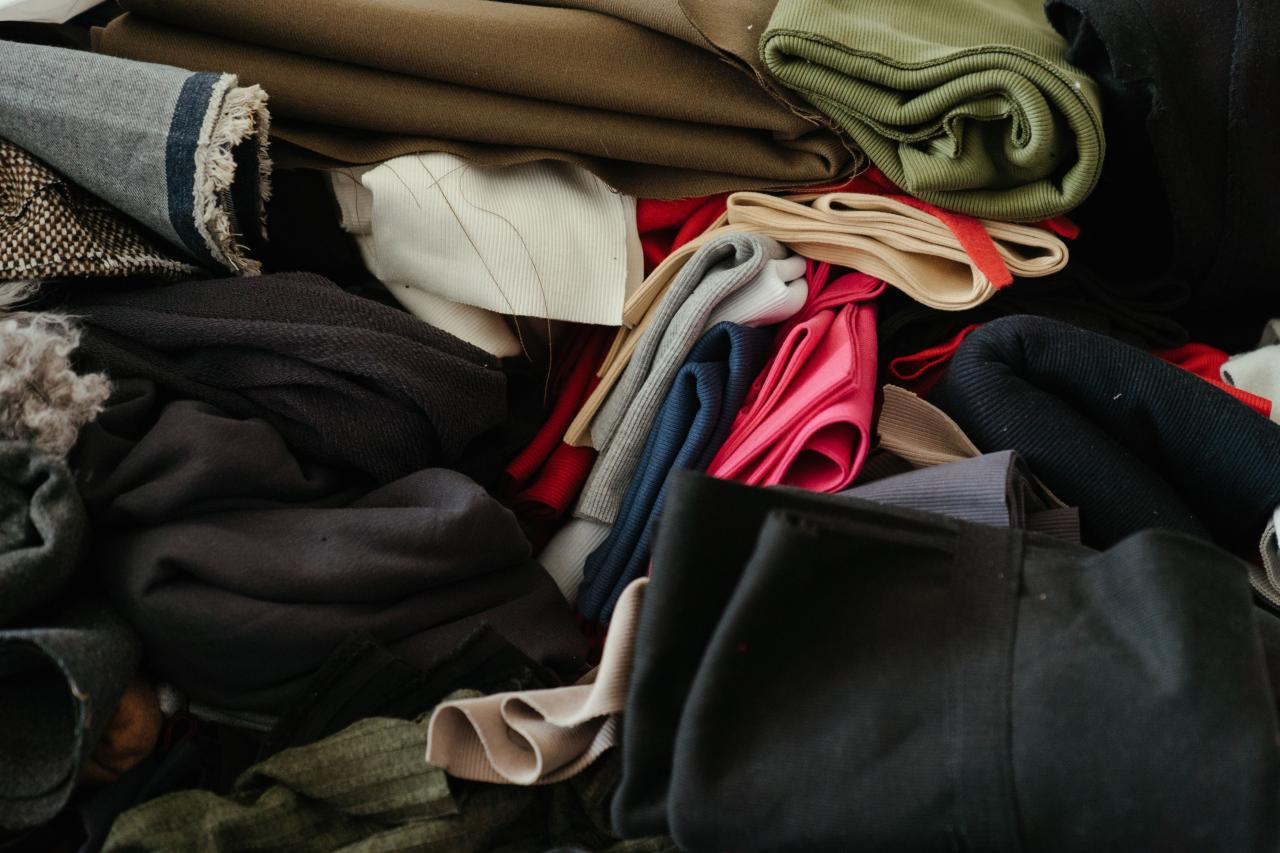
Deploying near-infrared optical sorting machinery inside central textile processing facilities enables rapid identification and categorization of mixed post-consumer clothing waste based on precise fiber composition. These high-speed automated systems instantly separate pure cotton, wool, polyester, and blend fabrics with extreme accuracy, eliminating labor-intensive manual sorting bottlenecks.
Establishing an automated optical sorting line ensures a consistent supply of pure raw materials required for high-yield chemical or mechanical fiber recycling processes. Maintaining strict material purity directly improves the tensile strength and dye receptivity of reclaimed yarns destined for premium apparel production.
B. High-Capacity Mechanical Fiber Garnetting Machinery
Installing commercial garnetting and rag-tearing equipment allows textile processors to break down discarded garments, cut-and-sew scraps, and industrial offcuts into clean, reusable staple fibers. Heavy-duty garnetting cylinders systematically open woven and knitted fabric structures without scorching or degrading the underlying natural and synthetic filaments.
Utilizing state-of-the-art garnetting systems produces high-density fiber batts ready for immediate re-spinning into commercial-grade garment yarns. Blending reclaimed staple fibers with high-tenacity organic carriers yields durable, soft-touch fabrics that meet rigorous commercial wear testing standards.
C. Chemical Polyester Depolymerization Regeneration Plants
Investing in chemical recycling infrastructure enables the full depolymerization of complex polyester textile waste back into its fundamental monomer building blocks. Advanced chemical processing strips out synthetic dyes, finishing chemicals, and contaminants, creating virgin-quality recycled polyester resins without loss of material integrity.
Operating a dedicated chemical depolymerization unit insulates synthetic apparel manufacturers from crude oil price volatility and virgin petroleum dependency. Producing high-purity recycled polyester filaments provides fashion houses with crystal-clear, high-performance technical fabrics suitable for luxury activewear collections.
D. Precision Laser Denim Distressing And Patchwork Workstations
Upgrading denim re-manufacturing facilities with high-power industrial laser engraving workstations allows design teams to transform vintage denim stock into luxury upcycled collections effortlessly. Precision laser beams apply intricate distressing, intricate patterns, and tailored aesthetic fades across reclaimed denim panels without utilizing hazardous chemical washes or abrasive sandblasting.
Combining laser processing with automated computer-controlled patchwork stitching workstations dramatically accelerates production cycles for upcycled denim lines. Rebuilding vintage denim garments into contemporary high-end fits creates unique, limited-edition apparel pieces that command top-tier retail market margins.
E. Ultrasonic Textile Welding And Seaming Systems
Integrating ultrasonic fabric welding equipment into upcycled garment assembly lines replaces traditional needle-and-thread stitching with high-frequency acoustic vibrations that fuse synthetic and thermoplastic fibers instantly. Ultrasonic seaming creates waterproof, ultra-durable seams across reclaimed technical outerwear and performance garments without adding bulky thread mass.
Eliminating sewing thread consumption lowers raw material costs while streamlining automated garment assembly workflows for high-volume enterprise operations. Presenting seamless, high-tech upcycled apparel delivers a sleek, modern aesthetic that appeals strongly to luxury technical apparel buyers.
F. Closed-Loop Supercritical Carbon Dioxide Textile Dyeing
Replacing water-based industrial dye vats with supercritical carbon dioxide dyeing systems allows upcycled textile manufacturers to color reclaimed synthetic fabrics without using a single drop of water. Under elevated pressure, carbon dioxide acts as a liquid solvent, driving pure pigment dyes deep into fiber matrices with total uniformity and rapid drying times.
Deploying waterless carbon dioxide dyeing technology completely eliminates toxic chemical effluent discharge into surrounding municipal water infrastructure. Operating an eco-friendly dyeing facility significantly lowers utility overhead costs while helping brands comply with international clean water manufacturing certifications.
G. Digital 3D Re-Design And Garment Deconstruction Software
Equipping fashion design departments with advanced three-dimensional pattern deconstruction software streamlines the transformation of irregular thrifted garments into standardized production patterns. These intelligent software platforms analyze garment construction, optimize panel disassembly steps, and generate digital cutting layouts that minimize material waste during re-fabrication.
Utilizing digital simulation tools enables design teams to visualize color combinations, texture pairings, and structural drape adjustments before physical cutting begins. Standardizing the upcycled garment re-design workflow enables scaling customized apparel production across multi-facility manufacturing networks.
H. Post-Consumer Apparel Collection And Sourcing Networks
Establishing strategic logistics partnerships with municipal waste collection agencies, charity thrift networks, and commercial laundry operators guarantees a steady inbound stream of sorted garment stock. Deploying automated reverse-logistics collection kiosks inside flagship retail stores encourages consumer garment trade-ins in exchange for exclusive store rewards.
Securing high-volume textile collection contracts stabilizes raw material input volumes and lowers overall supply chain procurement expenditures. Maintaining a robust raw material pipeline supports continuous factory output schedules and ensures reliable order fulfillment for major retail clients.
I. Bio-Based Non-Toxic Textile Coating Application Solutions
Applying natural, plant-derived water-repellent coatings to upcycled cotton and wool fabrics enhances weather resistance without relying on bioaccumulative fluorinated chemicals. Advanced bio-based finishing formulations utilize botanical waxes, plant oils, and natural polymers to deliver high hydrostatic head performance across outerwear lines.
Utilizing clean coating chemistry protects factory technicians from hazardous chemical exposure and meets strict global consumer safety standards. Highlighting non-toxic, weather-resistant upcycled performance wear expands brand market share within the rapidly growing eco-luxury outdoor apparel segment.
J. Blockchain Material Origin And Circularity Passports
Implementing blockchain-powered digital product passports allows enterprise fashion brands to embed verifiable circularity data directly into upcycled garment care labels. Consumers scan integrated near-field communication chips to view complete material origin histories, fiber recycling percentages, and verified carbon savings data instantly.
Providing absolute supply chain transparency validates premium retail pricing and effectively protects high-end fashion brands against greenwashing allegations. Digital product passports simplify future garment sorting and re-recycling pathways when the item eventually reaches the end of its second product lifecycle.
Conclusion

In conclusion, investing in enterprise upcycled textile manufacturing capital solutions delivers exceptional long-term financial growth and market resilience for modern apparel brands. Deploying automated optical sorting equipment guarantees raw material purity and optimizes downstream fiber recycling processing efficiency.
Installing high-capacity garnetting machinery converts post-consumer textile scrap into high-grade staple fibers ready for commercial re-spinning. Operating chemical depolymerization plants creates virgin-quality recycled polyester filaments without relying on non-renewable crude oil resources.
Upgrading denim processing facilities with precision laser distressing systems speeds up luxury upcycled denim production and improves margin potential. Integrating ultrasonic fabric welding systems eliminates thread consumption and produces sleek, durable seams across high-performance outerwear lines. Adopting supercritical carbon dioxide waterless dyeing machinery eliminates toxic wastewater discharge while lowering facility utility operational expenses.
Equipping design teams with digital pattern deconstruction software standardizes upcycled production workflows and minimizes raw material cutting waste. Establishing robust reverse-logistics sourcing networks guarantees consistent inbound raw material volumes to support high-volume manufacturing output. Deploying blockchain digital product passports offers complete supply chain transparency that reinforces premium consumer trust and builds long-term brand equity.

