


Investing in sustainable textile sourcing framework strategies gives forward-thinking fashion enterprises, independent designers, and global apparel brands a massive competitive advantage within today’s rapidly evolving consumer marketplace. Modern apparel consumers increasingly demand complete supply chain transparency, environmentally responsible material choices, and fair labor practices across every manufacturing tier.
Transitioning your fashion brand toward eco-friendly textiles requires establishing direct partnerships with certified organic fiber growers, closed-loop fabric mills, and innovative material science providers. By replacing conventional petroleum-derived synthetic fibers with regenerative natural textiles, high-end fashion labels can significantly reduce their overall environmental footprint while elevating overall garment quality.
Implementing strict material selection protocols protects your fashion enterprise from volatile supply chain disruptions, changing international environmental regulations, and rising carbon taxation standards. Leading ethical fashion brands actively utilize certified closed-loop manufacturing systems to ensure that water, non-toxic dyes, and chemical solvents are recycled internally with minimal environmental loss.
Working alongside certified fair-trade cooperatives guarantees safe working conditions and equitable compensation for skilled garment workers across developing textile hubs. Furthermore, incorporating traceable digital material tracking technology allows luxury fashion houses to verify raw material origins and build deep trust with discerning clientele. High-end fashion consumers are consistently willing to pay premium prices for durable, ethically produced garments that combine timeless aesthetic elegance with verified environmental stewardship.
As global regulations around textile waste and supply chain accountability tighten across major international luxury markets, proactive sustainable sourcing becomes a core requirement for long-term brand viability. Aligning your enterprise procurement strategy with advanced sustainable textile practices ultimately secures lasting brand equity, drives higher profit margins, and establishes market authority in modern luxury fashion.
A. Regenerative Organic Cotton Fiber Sourcing
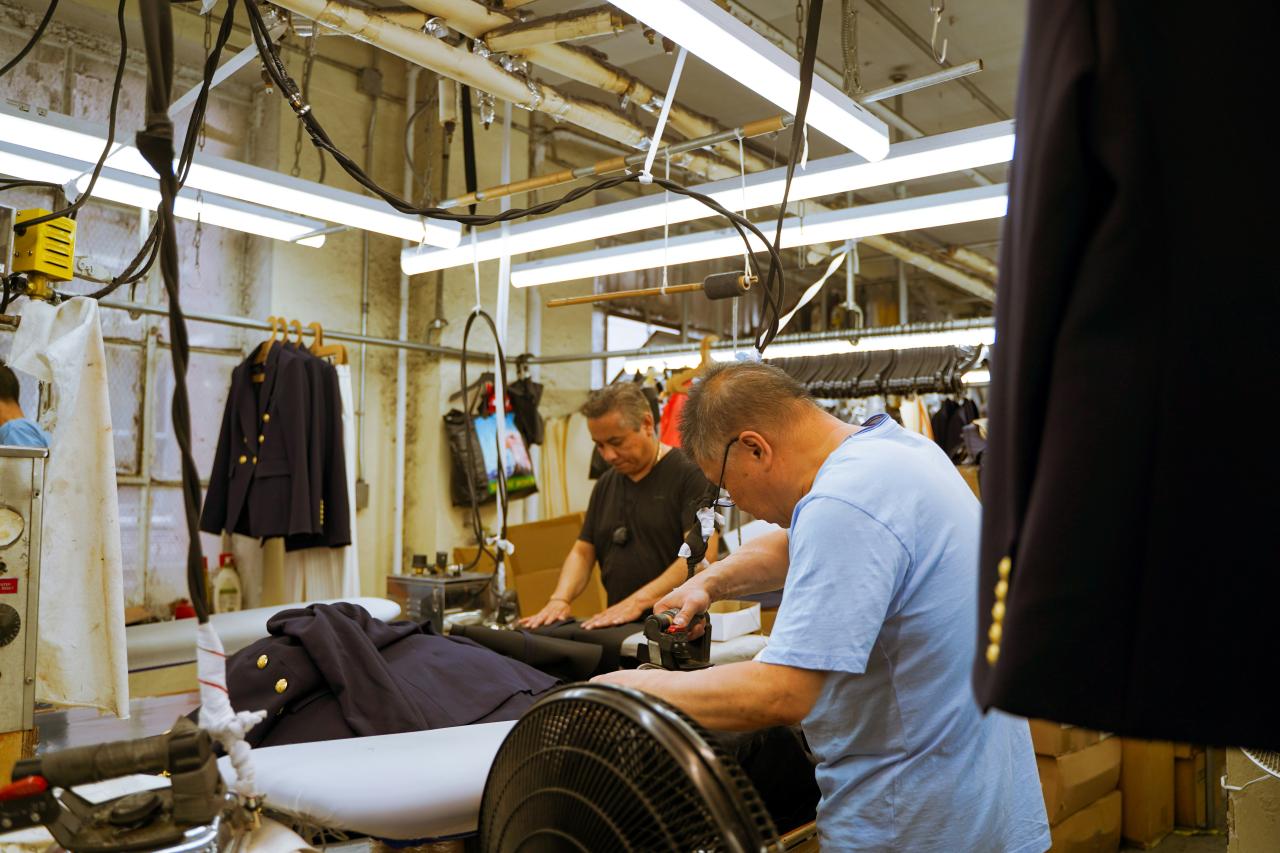
Partnering directly with certified regenerative organic cotton farms ensures your textile supply chain eliminates toxic synthetic pesticides, chemical fertilizers, and heavy irrigation demands. Supporting regenerative agricultural practices actively restores soil health, promotes biodiversity, and sequesters atmospheric carbon within agricultural ecosystems.
Securing long-term purchasing agreements with organic farming cooperatives stabilizes raw material costs while guaranteeing consistent fiber length and quality. Utilizing high-grade organic cotton delivers superior fabric hand-feel and durability for luxury apparel collections.
B. Closed-Loop Regenerated Cellulose Fabric Integration
Incorporating closed-loop cellulose fibers such as Tencel, lyocell, and modal into your garment collections offers an exceptionally soft, breathable alternative to conventional synthetic fabrics. These sustainably harvested wood pulp fibers are processed using non-toxic organic solvents that are captured and reused at extraordinary recovery rates.
Deploying closed-loop cellulose textiles drastically reduces industrial water consumption and eliminates hazardous chemical runoff into surrounding freshwater ecosystems. These versatile fabrics drape beautifully, absorb moisture efficiently, and offer excellent color retention for premium fashion lines.
C. Recycled High-Performance Synthetic Fiber Procurement
Sourcing certified post-consumer recycled polyester and nylon textiles helps divert plastic bottles and discarded fishing nets away from ocean habitats and landfills. Utilizing advanced mechanical and chemical recycling technologies allows textile manufacturers to recreate high-performance technical fabrics without relying on virgin petroleum extraction.
Integrating recycled synthetic fabrics into outerwear, activewear, and swimwear collections meets high consumer demand for functional, durable, and eco-friendly apparel. Partnering with verified recycling processors guarantees that material claims are fully backed by recognized global recycling standards.
D. Zero-Waste Pattern Engineering And Production
Implementing digital 3D pattern drafting software allows fashion design teams to optimize fabric utilization and eliminate unnecessary cutting waste before physical production begins. Strategic zero-waste pattern layouts ensure that every square inch of high-value sustainable fabric is integrated into the final garment structure.
Repurposing leftover fabric scraps into small leather-goods linings, accessories, or textile insulation creates secondary revenue streams from production waste. Adopting zero-waste cutting protocols lowers overall raw material expenditures while showcasing creative design excellence.
E. Non-Toxic Low-Impact Botanical Dye Systems
Replacing heavy-metal synthetic dyes with certified low-impact digital inks and natural botanical dye extract systems prevents toxic chemical discharge into municipal water systems. Advanced low-impact dyeing techniques utilize significantly less water, energy, and thermal processing compared to traditional industrial dye operations.
Utilizing eco-friendly botanical colorants derived from responsibly harvested plants, roots, and agricultural byproducts creates unique, muted color palettes that appeal to luxury buyers. Ensuring non-toxic dye compliance protects factory worker health and prevents skin irritation for end consumers.
F. Ethical Fair-Trade Garment Manufacturing Contracts
Establishing long-term manufacturing contracts with certified fair-trade garment factories guarantees fair living wages, reasonable working hours, and safe factory conditions. Partnering with ethically managed production facilities prevents human rights violations and enhances overall garment construction quality through skilled craftsmanship.
Conducting regular third-party social audits and maintaining transparent factory relationships ensures complete alignment with global labor standards. Highlighting verified ethical production partnerships builds deep brand integrity among socially conscious apparel consumers.
G. Traceable Supply Chain Digital Mapping Platforms
Deploying blockchain-enabled supply chain tracking platforms allows fashion enterprises to record every stage of production from farm to finished garment. Providing verifiable material provenance data enables luxury consumers to scan garment tags and view complete origin details instantly.
Maintaining digital supply chain transparency mitigates risks associated with unverified sub-contracting and illegal material sourcing practices. Clean, accessible provenance data reinforces premium price points and strengthens consumer loyalty across global markets.
H. Waterless Fabric Finishing And Processing Technologies
Adopting innovative waterless textile finishing processes, such as ozone treatments and laser distressing, replaces traditional chemical-heavy washing methods for denim and heavy cottons. Ozone processing utilizes natural gas to break down garment color safely without consuming thousands of gallons of clean water.
Integrating laser finishing technology enables precise fading, distressing, and pattern creation without applying harsh chemical solvents or abrasive sands. Transitioning to waterless finishing lowers utility operating costs drastically while preserving local community water resources.
I. Sustainable Packaging And Plastic-Free Logistics
Replacing conventional single-use plastic polybags with fully compostable bio-based packaging, recycled paper wraps, and reusable fabric garment bags eliminates plastic waste across shipping networks. Utilizing eco-friendly packaging materials ensures that your brand’s sustainability commitments extend across every customer touchpoint.
Optimizing shipping box dimensions and utilizing lightweight post-consumer corrugated paperboard reduces total parcel weight and lowers transit emissions. Presenting luxury garments in thoughtfully designed compostable packaging creates an unboxing experience for online shoppers.
J. Circular Take-Back And Textile Recycling Programs
Launching brand-sponsored garment take-back initiatives encourages customers to return worn clothing items in exchange for store credits or discounts on future purchases. Partnering with specialized textile recycling facilities allows brands to re-fiber old garments and integrate recycled material back into new production cycles.
Designing garments specifically for disassembly by utilizing mono-material fabric blends and removable trims simplifies the textile recycling process. Establishing a circular business model extends product lifecycles, builds long-term customer engagement, and drives sustainable enterprise growth.
Conclusion
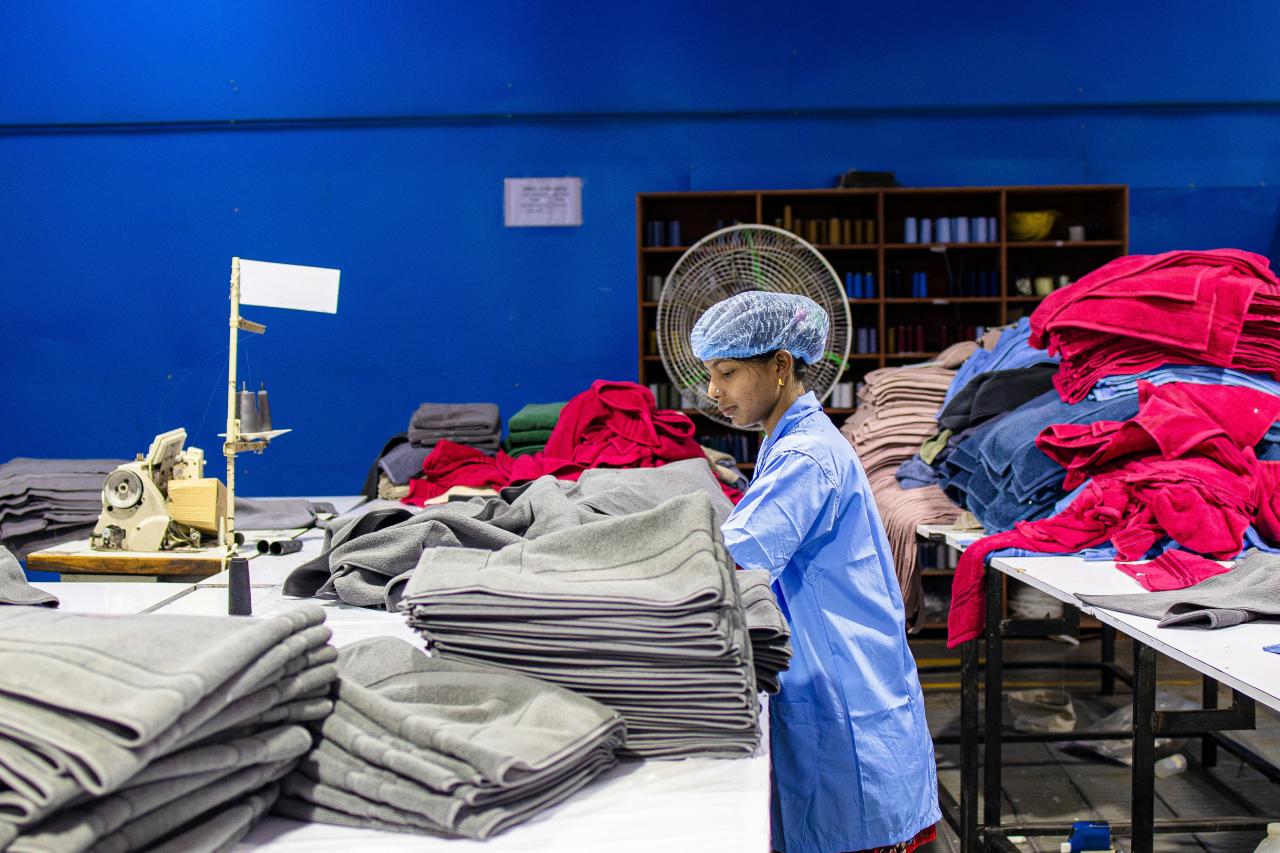
In conclusion, adopting sustainable fashion sourcing solutions drives profound commercial and environmental benefits for modern apparel brands. Sourcing certified organic cotton fibers protects vital agricultural soil systems while providing exceptional fabric quality for luxury collections.
Integrating closed-loop cellulose textiles drastically lowers industrial water usage and eliminates hazardous chemical waste runoff. Utilizing post-consumer recycled synthetic fabrics reduces global petroleum reliance without sacrificing technical garment performance.
Implementing zero-waste pattern engineering minimizes fabric cutting scrap and optimizes raw material investment efficiency. Switching to low-impact botanical dyes prevents toxic aquatic pollution and creates distinctive color palettes for eco-conscious lines. Partnering with certified fair-trade factories ensures equitable working conditions and exceptional garment construction standards.
Deploying digital supply chain tracking technology offers complete material transparency that reinforces premium consumer trust. Adopting waterless finishing technology lowers operational utility expenses while protecting regional freshwater resources. Establishing circular take-back recycling programs builds lasting customer loyalty while positioning your brand for enduring market leadership.

