

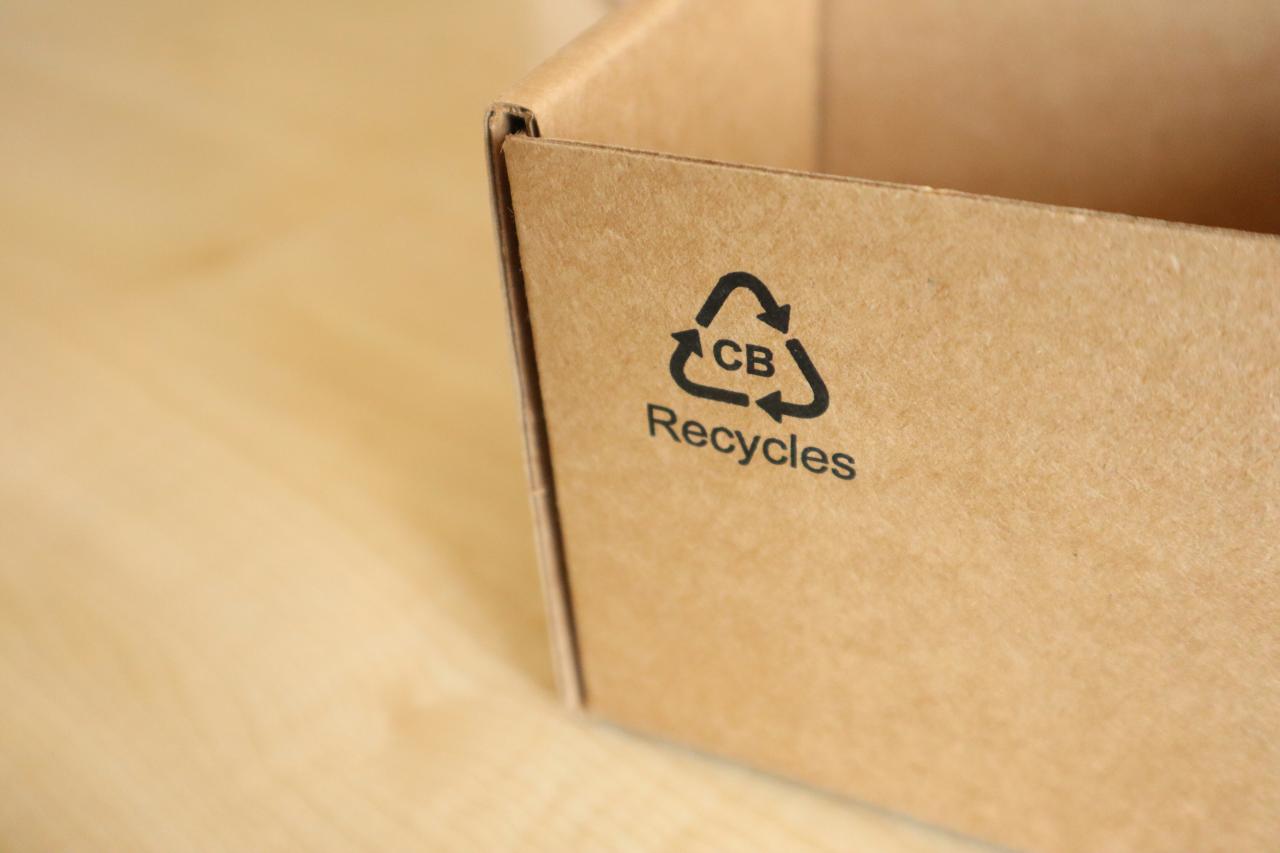
Investing in automated eco-friendly zero-waste packaging systems provides a high-return strategic opportunity for retail brands, distribution facilities, and modern manufacturing enterprises looking to optimize operational overhead while satisfying evolving global sustainability mandates. Industrial distribution networks and commercial supply chains are currently undergoing a fundamental structural transition away from single-use petroleum plastics toward high-performance biodegradable, compostable, and fully recyclable fiber packaging solutions.
Transitioning your commercial operations toward zero-waste material handling protocols drastically reduces secondary waste disposal costs, decreases transit damage rates, and elevates overall brand equity among high-value environmentally conscious consumer bases. Advanced automated packaging machinery allows enterprise logistics hubs to produce custom-sized, heavy-duty corrugated wraps, protective paper cushioning, and organic starch-based protective void-fills directly on the warehouse floor. By replacing legacy plastic bubble wraps and synthetic foam peanuts with precision-engineered paper cushioning technology, commercial operators shield high-value cargo against shock forces while streamlining end-of-life recycling for corporate clients.
Adopting circular packaging frameworks protects enterprise supply chains from volatile plastic raw material tariffs, impending international municipal waste fines, and strict corporate carbon accounting standards. High-volume fulfillment centers that deploy high-speed automated carton-sealing machines utilizing water-activated reinforced paper tape eliminate heavy adhesive waste while providing tamper-evident physical security during long-distance transit.
Furthermore, integrating smart digital inventory software with on-demand packaging machinery minimizes volumetric package weight, resulting in immediate transport freight savings across air and ground freight carrier networks. Corporate procurement executives and logistics leaders are increasingly partnering with certified sustainable material science innovators to engineer custom fiber-based protective solutions that maintain structural integrity across harsh environmental transport conditions.
Unlocking the full economic potential of enterprise zero-waste packaging requires a thorough understanding of advanced material processing technologies, automated machinery deployment, and closed-loop material recycling logistics. Ultimately, establishing early operational authority in modern sustainable packaging positioning equips your business with an efficient, resilient, and future-proofed fulfillment framework designed for long-term commercial dominance.
A. Industrial Water-Activated Paper Tape Dispensing Systems
Upgrading distribution centers with high-speed water-activated paper tape dispensers creates an unbreakable physical bond across corrugated shipping containers. Reinforced kraft paper tape integrates directly into cardboard fibers, forming a tamper-evident seal that withstands extreme temperature shifts and heavy stacking pressure during long-distance freight transit.
Deploying automated tape equipment speeds up warehouse box-sealing operations while reducing total adhesive material consumption compared to manual plastic tape application. Utilizing fully recyclable kraft tape ensures that shipping cartons can enter municipal paper recycling streams without requiring labor-intensive material separation.
B. On-Demand Heavy-Duty Corrugated Box Shredding Equipment
Installing commercial corrugated box shredding machinery transforms incoming scrap cardboard boxes into high-bulk, shock-absorbent protective packaging material right on the fulfillment floor. This closed-loop processing machinery cuts, perforates, and converts waste paperboard into flexible cushioning mats or dense void-fill netting for fragile inventory shipments.
Generating protective paper padding in-house eliminates the expensive need to procure and store pre-fabricated synthetic plastic void-fill materials. Repurposing scrap packaging reduces waste collection utility fees while converting potential trash into functional commercial protective assets.
C. Biodegradable Cornstarch Void-Fill Extrusion Solutions
Replacing conventional polystyrene foam packaging peanuts with certified biodegradable cornstarch void-fill provides an ultra-lightweight, non-toxic shock mitigation solution for sensitive freight shipments. Organic starch packaging elements dissolve completely in warm water within minutes, leaving zero microplastic residues or chemical pollutants behind in municipal wastewater systems.
Utilizing automated starch-peanut dispensing hoppers inside packing stations streamlines order fulfillment workflows for high-volume e-commerce shipping operations. These light-density botanical void-fills deliver exceptional compressive strength, protecting heavy industrial components from structural shifting inside shipping boxes.
D. Precision Honeycomb Paper Protective Wrap Machinery
Deploying expandable honeycomb paper wrapping machinery offers a sleek, space-saving alternative to traditional synthetic plastic bubble wrap for high-end luxury goods and fragile glass items. The unique hexagonal cell structure expands upon tension, locking interlocking paper layers firmly around delicate product contours without requiring secondary adhesive tapes.
Storing compact honeycomb paper rolls drastically reduces valuable warehouse floor storage footprints compared to bulky, air-filled plastic bubble rolls. Presenting luxury items in clean, protective honeycomb paper delivers an unboxing experience that reinforces your brand’s environmental commitments.
E. Molded Fiber Pulp Cushioning Custom Manufacturing
Engineering custom molded fiber pulp trays and corner protectors provides precise structural support for high-value consumer electronics, medical devices, and heavy home appliances. Manufactured from post-consumer recycled newsprint and corrugated scrap, molded fiber inserts deliver superior impact energy absorption during transit.
Replacing expanded polystyrene foam inserts with custom molded pulp cradles eliminates non-recyclable plastic packaging components from your product fulfillment workflow. Stacking nested molded pulp trays saves significant pallet space during inbound logistics shipments from manufacturing plants.
F. Automated Right-Size Box Creation Technology
Integrating automated right-size box packaging systems utilizes three-dimensional laser scanning to measure product dimensions and fold custom corrugated cartons on demand. Creating custom-fitted boxes around unique product shapes eliminates excess internal empty space, drastically reducing overall void-fill material requirements.
Minimizing total package volume allows logistics managers to maximize freight truck load density, reducing fuel consumption and carbon output per shipped unit. Eliminating dimensional weight surcharges billed by global courier services generates immediate financial cost savings across high-volume shipping operations.
G. Reusable Heavy-Duty Commercial Tote Transit Containers
Transitioning internal supply chain logistics toward heavy-duty, collapsible plastic transit totes creates an ultra-durable closed-loop material handling ecosystem for regional distribution networks. Constructed from high-density post-industrial recycled resins, reusable totes withstand thousands of shipment cycles between central warehouses and retail storefronts.
Utilizing secure, standardized tote systems eliminates single-use cardboard boxes across internal inventory replenishment operations completely. Integrated tamper-evident locking seals safeguard high-value merchandise against pilferage during regional truck transit.
H. Compostable Plant-Based Thermal Insulation Liners
Incorporating compostable temperature-controlled insulation liners derived from upcycled cotton fibers or agricultural hemp shields perishable food and pharmaceutical items during cold-chain transit. These high-performance thermal insulation pads match the thermal retention performance of expanded polystyrene while remaining fully backyard compostable after use.
Deploying plant-based thermal liners allows specialized food and healthcare brands to maintain strict temperature compliance without burdening consumers with non-recyclable foam box disposal. Pairing thermal insulation pads with non-toxic, reusable ice packs guarantees safe cold-chain delivery for premium goods.
I. Bio-Based Stretch Film Pallet Wrapping Machinery
Upgrading automated pallet wrapping stations with high-performance bio-based stretch films secures heavy palletized cargo using renewable plant-derived resins. Engineered from sustainably cultivated sugarcane ethanol, bio-stretch films match the tensile strength, puncture resistance, and stretch capacity of traditional petroleum films.
Utilizing high-pre-stretch automated wrapping machinery stretches film resins up to three hundred percent, drastically lowering total material usage per wrapped pallet unit. Securing warehouse shipments with certified bio-based film lowers overall carbon footprints while maintaining total unit load stability on freight trucks.
J. Digital Inventory Paperless Supply Chain Integration
Implementing comprehensive enterprise resource planning software alongside digital warehouse management platforms eliminates paper pick lists, physical invoices, and manual packing slips. Equipping warehouse personnel with hand-held digital scanners and smart display terminals streamlines order picking accuracy without generating paper waste.
Transmitting digital invoices and customs documentation electronically speeds up international shipping clearings while protecting confidential client records. Eliminating physical paper documentation inside shipping boxes reduces administrative office costs while building a sleek, modern paperless fulfillment workflow.
Conclusion

In conclusion, investing in enterprise zero-waste packaging equipment solutions delivers substantial long-term financial dividends for modern commercial operations. Deploying water-activated paper tape dispensers forms tamper-evident box seals while ensuring complete paper packaging recyclability. Utilizing commercial corrugated shredders converts scrap boxes into free, shock-absorbent cushioning mats right on the warehouse floor. Replacing foam peanuts with biodegradable cornstarch void-fill eliminates microplastic pollution while protecting heavy industrial inventory during transit.
Expanding honeycomb paper wrap systems saves valuable warehouse storage space and provides elegant protection for delicate luxury goods. Manufacturing custom molded fiber pulp inserts replaces non-recyclable foam cradles across consumer electronics and appliance packaging lines. Integrating automated right-size box technology eliminates excess shipping volume and lowers freight carrier transport costs significantly.
Transitioning internal logistics toward reusable transit totes eliminates single-use cardboard boxes across regional store distribution networks. Utilizing compostable thermal insulation pads preserves cold-chain cargo temperatures without relying on bulky non-recyclable foam coolers. Adopting bio-based stretch films and paperless inventory software drives operational efficiency while establishing your enterprise as a sustainable industry leader.

