

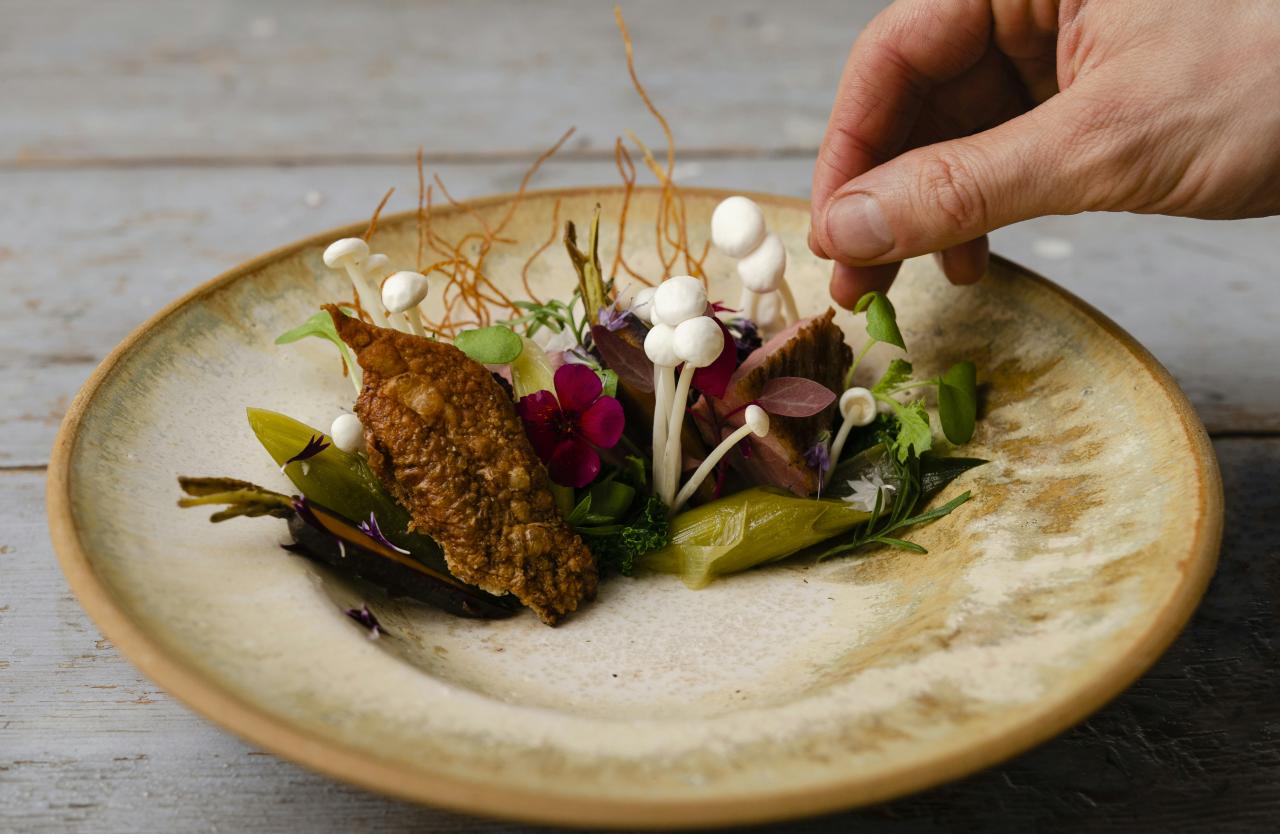
Investing in plant-based commercial dining solutions offers an exceptional pathway for food service operators, institutional investors, and discerning consumers to align with dynamic global culinary shifts. Modern consumer preferences are rapidly pivoting toward sustainable, nutrient-dense, and ethically sourced dietary options, driving massive capital injection across the global food technology sector.
Commercial enterprises that proactively adopt advanced plant-based culinary frameworks capture elevated profit margins while building long-term brand equity among affluent, health-conscious demographics. Implementing premium plant-based menus requires sophisticated kitchen equipment, precision food processing technologies, and high-quality raw ingredient sourcing networks that ensure uncompromised flavor profiles and superior textural fidelity.
Specialized culinary platforms now utilize state-of-the-art extrusion technologies, precision fermentation processes, and organic botanical extracts to replicate the sensory characteristics of traditional animal proteins seamlessly. Transitioning toward plant-centric food architecture significantly reduces operational supply chain vulnerabilities associated with volatile livestock markets and climate-induced agricultural disruptions.
Executive chefs and hospitality leaders are increasingly collaborating with clinical nutritionists and food scientists to engineer menu items that deliver clean-label transparency without sacrificing luxury dining aesthetics. Furthermore, institutional dining facilities, high-end corporate retreats, and boutique hospitality chains are leveraging plant-forward dining programs to satisfy stringent corporate ESG benchmarks and attract top-tier talent.
As consumer adoption accelerates across international urban centers, commercial plant-based dining continues to evolve from a niche dietary alternative into a dominant force within the global high-end food and beverage industry.
Unlocking the full commercial potential of this movement necessitates a thorough understanding of premium ingredient supply chains, innovative culinary processing methods, and targeted hospitality service integration strategies. Ultimately, establishing a early market presence in modern plant-based dining positions culinary enterprises for sustainable financial growth and enduring market leadership.
A. Precision Fermentation And Cellular Protein Sourcing
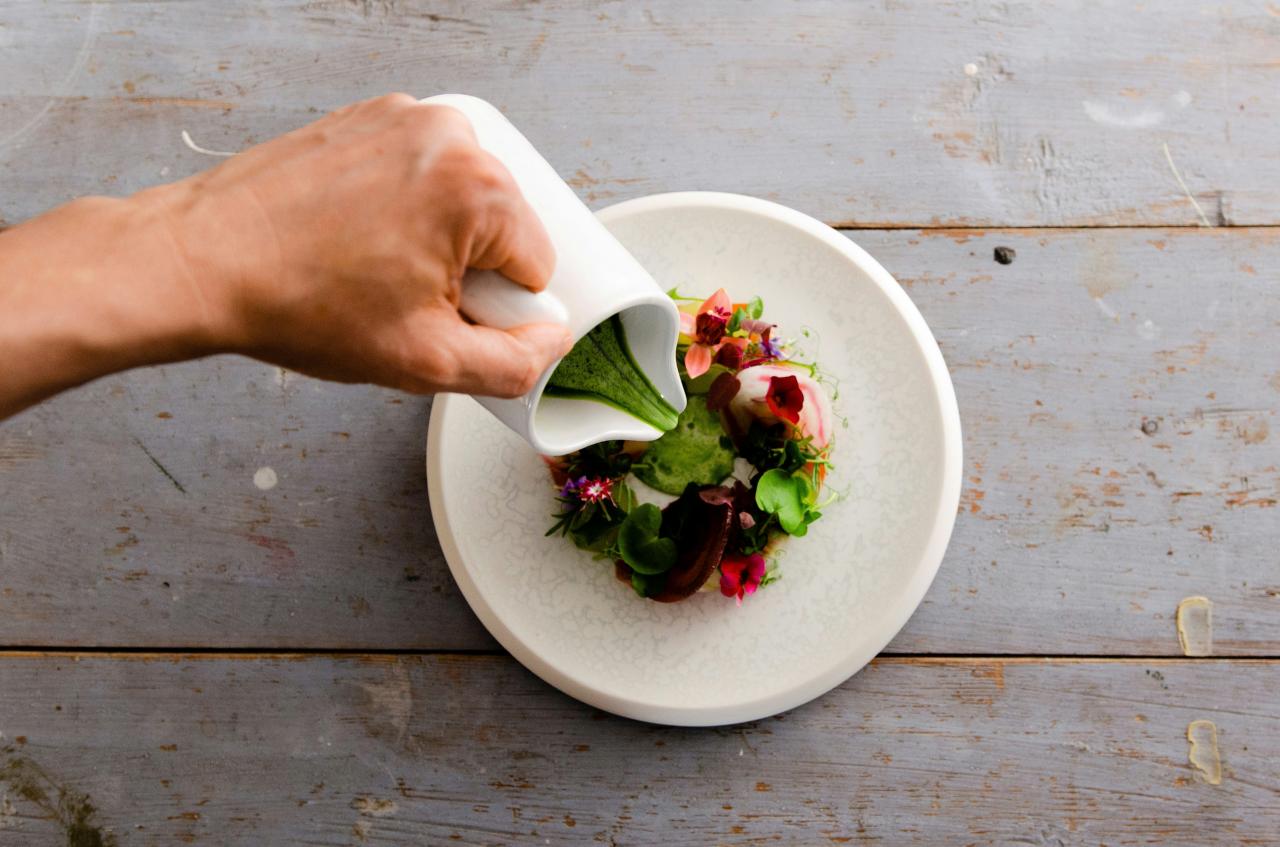
Integrating precision fermentation proteins into commercial kitchen inventory enables culinary teams to create authentic dairy and meat alternatives with identical functional properties. Sourcing these advanced bio-identical ingredients allows high-end restaurants to craft rich cheeses, creams, and structured proteins without animal reliance.
Establishing reliable supply contracts with leading food biotechnology suppliers guarantees consistent ingredient purity and bulk pricing advantages. Incorporating fermented protein bases enhances complex flavor delivery across executive lunch and dinner menus.
B. Commercial High-Moisture Extrusion Technology Solutions
Deploying high-moisture meat analog extrusion machinery inside central production facilities transforms raw botanical proteins into realistic fibrous textures. Kitchen operators utilize these sophisticated thermal processing systems to manufacture custom plant-based chicken, beef, and seafood substitutes at scale.
Investing in commercial-grade food extrusion equipment reduces long-term food preparation costs while maintaining strict quality consistency across multi-location restaurant groups. Master chefs can easily marinate, sear, and smoke these extruded plant bases to match premium culinary standards.
C. Clean-Label Organic Botanical Ingredient Procurement
Sourcing certified organic legumes, ancient grains, and heirloom botanical crops directly from farm networks ensures complete supply chain transparency for health-conscious diners. Premium commercial kitchens prioritize non-GMO, allergen-friendly raw materials to meet rising demand for clean-label dining options.
Partnering with regional agricultural cooperatives secures fresh, seasonal harvests while minimizing overall carbon transport footprints. Featuring high-grade organic botanical ingredients elevates menu positioning and supports premium dish pricing strategies.
D. Cold-Pressed Botanical Oil Extraction Systems
Installing commercial cold-press oil extraction equipment allows upscale dining establishments to produce fresh, nutrient-rich culinary oils from specialty nuts and seeds. Utilizing unrefined avocado, macadamia, and extra virgin olive oils enhances the aromatic complexity and mouthfeel of plant-based culinary creations.
Cold-pressed extraction preserves vital heat-sensitive antioxidants, essential fatty acids, and natural botanical aromas lost during industrial refining. Presenting artisanal, house-extracted botanical oils alongside signature dishes creates a memorable luxury table-side experience for guests.
E. Hydroponic Urban Farm Facility Integration
Constructing automated indoor hydroponic farming units within restaurant premises supplies culinary staff with hyper-local microgreens, edible flowers, and rare culinary herbs daily. These controlled-environment agriculture systems utilize energy-efficient LED lighting and automated nutrient delivery to optimize crop yield year-round.
Harvesting fresh plant matter minutes before service guarantees maximum nutritional density, vivid presentation, and superior botanical flavor concentration. Displaying sleek hydroponic growth chambers inside dining rooms enhances guest engagement and reinforces environmental sustainability credentials.
F. High-Performance Commercial Blending Equipment
Upgrading kitchen infrastructure with industrial-grade, high-shear blending systems allows culinary teams to craft silky plant-based emulsions, nut creams, and botanical sauces effortlessly. These heavy-duty processing tools break down tough plant fibers at high speeds to achieve ultra-smooth textures comparable to traditional dairy reductions.
Utilizing specialized thermal blending units enables simultaneous heating and emulsification, drastically reducing prep times for complex plant-based bisques and gravies. Superior blending efficiency minimizes food waste by incorporating whole plant stems, seeds, and skins into nutritious culinary bases.
G. Specialized Plant-Based Sommelier And Beverage Pairing
Developing curated wine, craft tea, and zero-proof botanical beverage pairing programs specifically tailored for plant-centric tasting menus elevates the entire dining experience. Expert sommeliers select low-sulfite organic wines, fermented kombuchas, and cold-brewed botanical infusions that complement complex vegetable flavor profiles.
Training front-of-house staff on the intricate chemistry of plant-food pairings drives higher beverage check averages and guest satisfaction metrics. Highlighting rare botanical elixirs and artisanal small-batch brews differentiates luxury hospitality venues from conventional dining competitors.
H. Automated Thermal Sous-Vide Culinary Preparation
Implementing computer-controlled sous-vide circulating baths ensures precise temperature management when cooking delicate root vegetables, legumes, and plant-based protein blocks. Vacuum-sealing fresh botanical ingredients with aromatic herbs and cold-pressed oils locks in natural moisture, minerals, and deep natural flavors.
Automating cooking cycles through precision sous-vide equipment optimizes kitchen labor efficiency and eliminates human error during high-volume meal services. Plunging cooked botanical packages into ice baths preserves vibrant natural colors and structural integrity for rapid final searing.
I. Bio-Degradable Compostable Food Service Packaging
Adopting premium compostable takeout containers, plant-based wax linings, and eco-friendly cutlery solutions reinforces an enterprise’s overall environmental commitment. Modern bio-resins derived from sugarcane bagasse and cornstarch offer durable, heat-resistant packaging that maintains food presentation during delivery.
Partnering with sustainable packaging manufacturers prevents single-use plastic contamination and aligns with stringent municipal waste regulations. Presenting luxury plant-based meals in elegant, fully biodegradable packaging resonates deeply with environmentally conscious corporate clients.
J. Corporate Wellness And Institutional Catering Contracts
Expanding plant-forward culinary operations into high-volume corporate cafeterias, university dining halls, and healthcare facilities secures predictable long-term revenue streams. Designing scalable, nutrient-balanced menu plans helps corporate clients achieve employee health targets and sustainability mandates.
Providing turnkey plant-based catering solutions for executive board meetings and international conferences showcases culinary innovation while driving high-margin institutional sales. Utilizing standardized recipe management software ensures precise cost controls and nutritional compliance across all catering contracts.
Conclusion
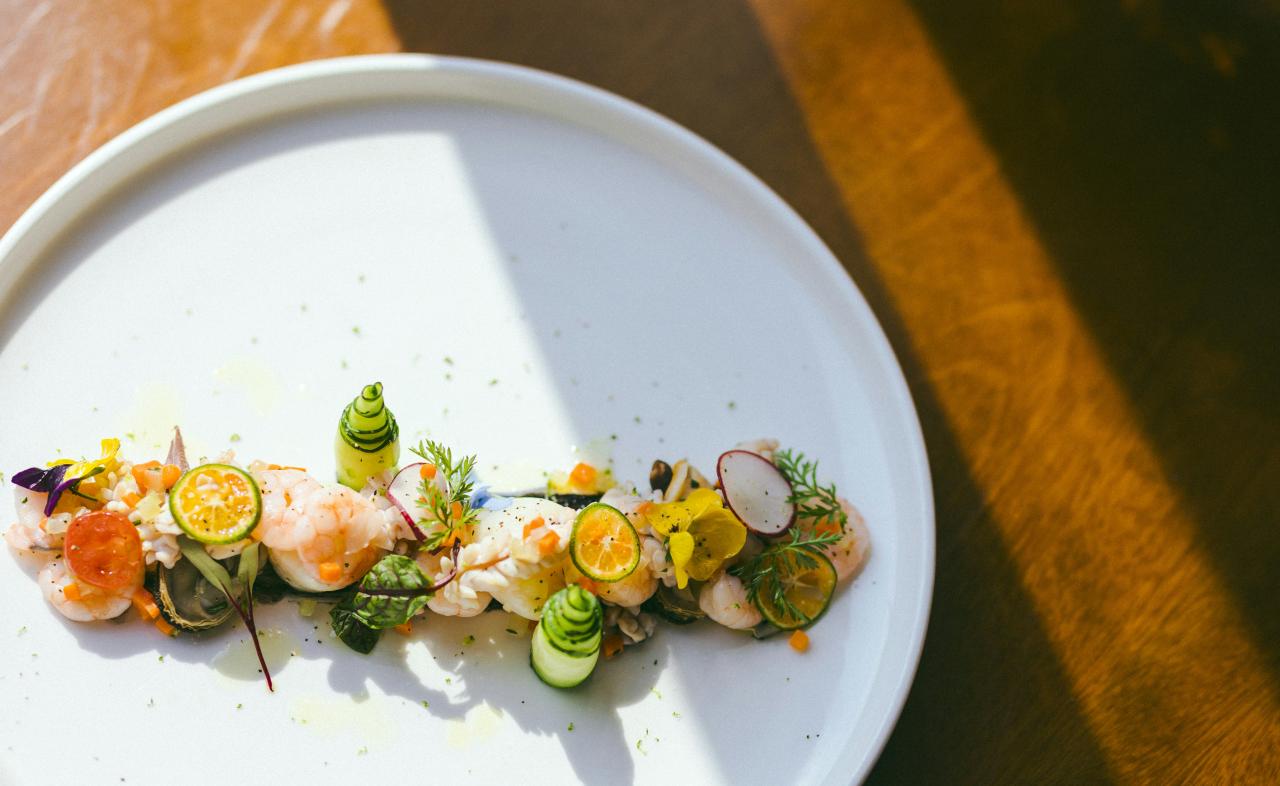
In conclusion, adopting commercial plant-based dining solutions drives substantial financial and operational advantages for modern hospitality businesses. Investing in precision fermentation and high-moisture extrusion technology enables culinary teams to create realistic, premium-quality protein alternatives. Procuring certified organic botanical ingredients ensures clean-label transparency and appeals to health-conscious, high-value dining clientele.
Integrating indoor hydroponic farming units provides fresh, hyper-local microgreens while reinforcing brand sustainability credentials. Utilizing industrial-grade blending and thermal sous-vide equipment optimizes kitchen efficiency and delivers consistent culinary excellence. Developing specialized beverage pairing programs elevates the overall guest experience and boosts average beverage check values significantly.
Implementing biodegradable packaging solutions reduces environmental impact and aligns seamlessly with corporate sustainability standards. Expanding into high-volume institutional catering contracts generates stable, predictable revenue streams for growing food service enterprises. Capitalizing on the global plant-forward movement positions visionary culinary brands for long-term commercial success and market leadership.

