

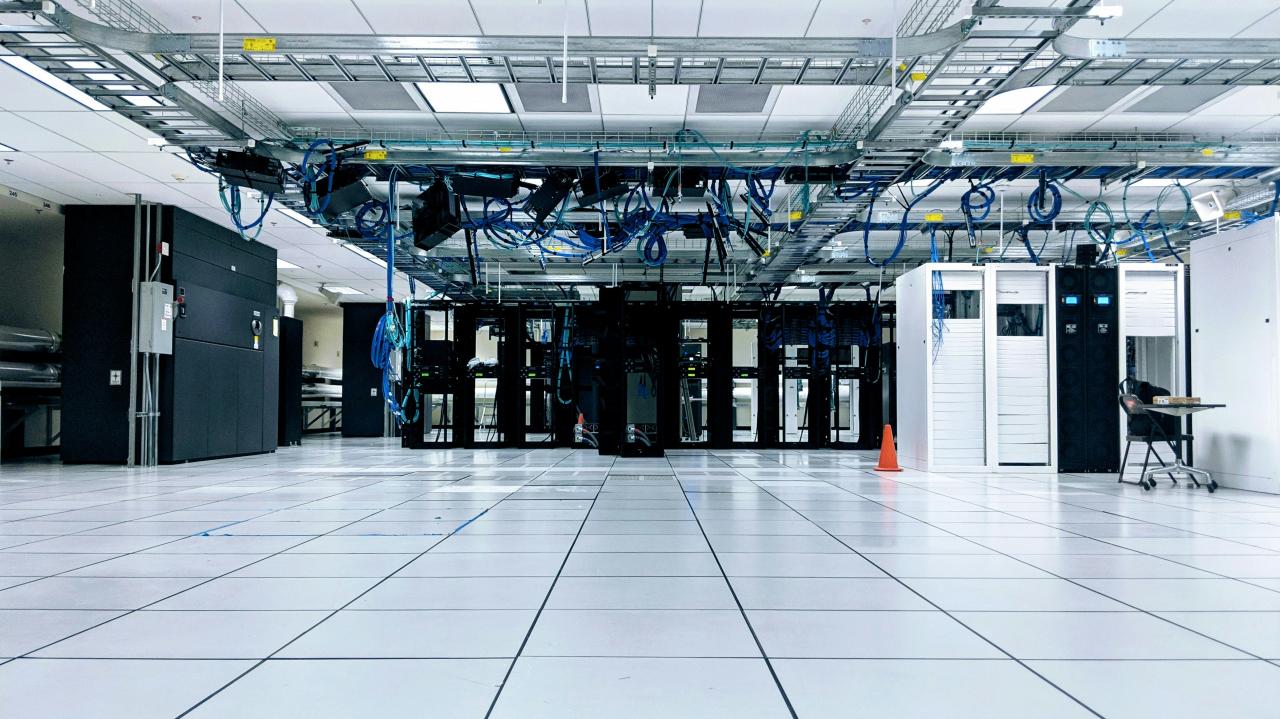
The rapid expansion of the digital world creates a massive demand for cooling systems that can handle the heat of thousands of powerful servers. For many decades, data centers relied almost exclusively on fresh drinking water to cool their equipment, which placed a heavy burden on local communities and natural resources.
This traditional model of cooling is no longer sustainable as global water scarcity becomes a major threat to both urban and rural environments. However, the emergence of recycled wastewater technology now allows tech giants to keep their hardware cool without using a single drop of clean potable water.
This transition represents a monumental shift from a wasteful industrial mindset to a circular and highly efficient environmental strategy. We are entering an era where “greywater” and treated industrial runoff serve as the primary coolant for the backbone of the internet.
This innovation addresses the critical challenge of high energy and water consumption in the tech sector by creating a closed-loop system that protects our planet.
By integrating these smart cooling solutions with modern filtration technology, companies can lower their operational costs while significantly improving their sustainability profile.
This article explores the most effective and proven methods for using recycled wastewater in data centers and how you can master a greener digital future.
The Architecture of Industrial Water Reclamation

Data centers require massive amounts of thermal regulation to prevent server failure and ensure the constant uptime of the global internet. Traditional cooling towers evaporate water to remove heat, but using treated wastewater changes the entire financial and ecological equation for the better.
I believe that “infrastructure integration” is the best way to solve the problem of high utility costs in the modern tech industry. You solve the problem of resource depletion by tapping into the city’s treated sewage lines rather than the public drinking water supply.
This perspective turns a waste product into a high-value industrial asset that keeps the digital economy running smoothly and safely.
A. Direct Treatment and Filtration Systems
Modern data centers install on-site treatment plants to further purify municipal recycled water before it enters the cooling loops.
This ensures that minerals and contaminants do not build up in the expensive cooling machinery or cause corrosion over time. It provides a reliable and clean source of water that meets the strict technical standards of high-performance computing facilities.
B. Closed-Loop Evaporative Cooling
This technology uses the natural process of evaporation to pull heat away from the server racks and release it into the atmosphere.
The recycled water stays within a controlled loop, minimizing the amount of liquid that actually leaves the system during the cooling process. It maximizes the efficiency of every gallon, ensuring that the facility uses the least amount of water possible to achieve the highest thermal result.
C. Biological Control and Chemical Balancing
Engineers must carefully monitor the pH levels and biological activity in recycled water to prevent the growth of algae or harmful bacteria.
Using smart sensors and automated dosing systems ensures that the water remains safe for both the equipment and the employees working in the facility. This proactive management keeps the cooling system running at peak performance without the need for frequent and expensive manual maintenance.
Reducing the Carbon Footprint of Thermal Management
Water and energy are deeply linked, as pumping and treating water requires a significant amount of electricity from the local power grid. Using recycled water near the data center reduces the energy needed to transport fresh water over long distances from remote reservoirs.
My new perspective is that “thermal synergy” is the secret to reducing the total carbon output of the global digital infrastructure today.
You solve the problem of high energy bills by locating data centers near municipal water treatment plants to create a short and efficient supply chain. This perspective reduces the total environmental impact of the facility, making it a better neighbor for the local community and the planet.
A. Energy Savings in Pumping and Distribution
Moving recycled water through local industrial pipes consumes far less power than extracting and treating groundwater from deep underground wells.
This lower energy demand directly translates to a smaller carbon footprint for the data center and lower costs for the operator. It creates a streamlined flow of resources that supports the rapid growth of the cloud without increasing the load on the power grid.
B. Natural Cooling with Graywater Sources
Recycled water often comes from underground pipes where the temperature is naturally lower than the ambient air during the hot summer months.
This “free cooling” effect reduces the workload on the electrical chillers, allowing the facility to maintain a stable temperature with much less power. It takes advantage of the earth’s natural thermal properties to provide a consistent and reliable cooling source for the most demanding hardware.
C. Heat Exchange Technology for Urban Areas
Some advanced systems take the heat absorbed by the recycled water and use it to provide warm water for nearby office buildings or homes.
This circular energy model ensures that no heat is wasted and that the data center acts as a thermal power plant for the local neighborhood. It builds a positive relationship with the city, proving that high-tech facilities can contribute to the local quality of life in many different ways.
Navigating the Regulatory Landscape of Water Use
Governments around the world are passing strict new laws that limit the amount of fresh water that industrial facilities can consume each year. Companies that fail to adapt to these regulations face heavy fines and potential shutdowns during periods of intense drought or water shortages.
I suggest that “regulatory proactivity” is the only way to protect your business from the rising costs of environmental compliance in the future. You solve the problem of legal risk by adopting recycled water standards long before they become mandatory in your specific region or city.
This perspective gives your company a competitive edge, as you will already have the infrastructure in place when your rivals are struggling to catch up.
A. Compliance with Local Environmental Standards
Every city has different rules for how recycled water can be used and what level of treatment is required before it can be released.
Working closely with local water authorities ensures that your data center meets all safety and health codes while maximizing your water savings. It builds a foundation of trust with the government, making it much easier to get permits for future expansions or new facility locations.
B. Water Rights and Long-Term Availability
Securing a long-term contract for recycled water ensures that your data center will always have a cooling source, even when fresh water is restricted.
Recycled water supplies are much more stable and predictable than rainfall or groundwater, which can fluctuate wildly due to climate change. This stability protects your investment and ensures that your servers stay online and cool regardless of the weather conditions outside.
C. Public Relations and Community Trust
Sharing your water-saving data with the public helps improve your brand’s reputation as a leader in corporate social responsibility and environmental care.
People are much more likely to support a large data center project if they know it won’t take away their local drinking water supply. It turns a potential source of conflict into a story of innovation and community partnership that everyone can feel good about supporting.
Advanced Filtration and Membrane Technology
The success of a recycled water cooling system depends on the quality of the filtration membranes used to remove salts and organic matter. High-tech membranes act as a powerful barrier that prevents the “scaling” of pipes, which is the most common cause of cooling system failure.
My perspective is that “membrane excellence” is the technical heart of a sustainable data center that wants to run for decades without interruption.
You solve the problem of equipment wear and tear by investing in the latest reverse osmosis and ultrafiltration technology for your water supply. This perspective ensures that your cooling loop remains as clean as a laboratory, protecting your multi-million dollar server investment from the inside out.
A. Reverse Osmosis for High-Purity Cooling
Reverse osmosis pushes water through a semi-permeable membrane to remove even the smallest ions and dissolved solids from the liquid.
This produces water that is actually cleaner than most tap water, making it the perfect medium for sensitive industrial cooling towers. It prevents the buildup of calcium and magnesium, which can act as an unwanted insulator and reduce the efficiency of the heat exchangers.
B. Ultrafiltration for Pathogen Removal
Ultrafiltration uses larger pores to catch bacteria, viruses, and suspended solids that could pose a health risk or cause biological fouling in the system.
This stage is critical for ensuring that the mist released by the cooling towers is safe for the air that people breathe in the surrounding area. It provides a reliable physical barrier that works 24 hours a day to keep the water supply sterile and healthy for everyone.
C. Nanofiltration for Specific Mineral Targeting
Nanofiltration allows engineers to remove specific minerals while leaving others behind, which can help balance the water chemistry for specific types of metal pipes.
This level of control allows for a customized water profile that matches the exact engineering requirements of the data center’s cooling infrastructure. It represents the highest level of precision in water management, ensuring that every drop is optimized for its specific thermal role.
The Economic Benefits of Water Circularity
While the initial cost of building a water reclamation plant can be high, the long-term savings on utility bills are massive for a large-scale data center. Recycled water is typically much cheaper than potable water because it does not require the same level of expensive treatment for human consumption.
I believe that “operational frugality” is the natural result of moving toward a circular water economy in the tech sector today. You solve the problem of rising operational costs by creating a self-sufficient cooling system that is shielded from the price spikes of the public water market.
This perspective improves your profit margins while making your business much more resilient to the economic shocks of the future.
A. Reducing the Total Cost of Ownership (TCO)
When you look at the 20-year lifespan of a data center, the savings from using recycled water can add up to tens of millions of dollars.
These savings can be reinvested into faster hardware, better security, or further sustainability projects that grow your business even faster. It proves that being green is not just good for the planet, but it is also the smartest financial move for the company.
B. Incentives and Grants for Green Tech
Many governments offer tax breaks or direct grants to companies that install water-saving technology in their industrial facilities.
These incentives can cover a significant portion of the upfront construction costs, making it much easier to justify the investment to your shareholders. Taking advantage of these programs allows you to build a world-class facility while keeping your initial capital expenditure at a manageable level.
C. Future-Proofing Against Water Taxes
As water becomes more scarce, many cities are considering “water taxes” for high-volume users to encourage conservation and protect local supplies.
By switching to recycled water now, you avoid these future costs and ensure that your business remains profitable even in a high-tax environment. It is a form of financial insurance that protects your company from the changing political and environmental landscape of the coming decades.
Scalability and the Future of Green Data Centers
As the demand for AI and high-speed data grows, the industry must find ways to scale its infrastructure without destroying the local environment. Modular cooling units that use recycled water can be deployed quickly in any city that has a modern sewage treatment system in place.
My new perspective is that “modular sustainability” is the key to global expansion for the tech giants of the next generation. You solve the problem of slow and difficult construction by using standardized cooling designs that can be plugged into any municipal water reclamation network.
This perspective allows you to build new data centers in record time, ensuring that you always have the capacity to meet your customers’ needs.
A. Standardized Cooling Modules for Global Deployment
Using a “copy and paste” approach to cooling design allows companies to build identical facilities in different countries with predictable results and costs.
This reduces the need for custom engineering for every project, allowing your team to focus on the software and data services that drive your revenue. It creates a global network of green data centers that all follow the same high standards for water and energy efficiency.
B. The Rise of Zero-Liquid Discharge (ZLD)
The ultimate goal for the industry is ZLD, where every drop of water is recycled and reused until it completely evaporates or is turned into a solid waste product.
This means the data center has no liquid runoff at all, making it the most environmentally friendly industrial building in the world. Achieving ZLD status is the gold standard for sustainability and is a powerful way to prove your commitment to the planet.
C. AI-Driven Water Management Systems
Artificial intelligence can monitor thousands of data points to optimize the flow of recycled water and the use of filtration chemicals in real-time.
These smart systems can predict when a filter is about to fail or when the weather will require a change in the cooling strategy to save energy. It brings a new level of intelligence to water management, ensuring that your facility is always running at the absolute edge of what is physically possible.
Conclusion

Recycled water cooling is the best way to save our planet today. You must choose the right and smart tech to reach your goals fast. Using greywater ensures that your data center stays cool and also stable.
You solve your daily work problems by using a very high speed system. Fresh water cooling is the slow and hard relic of the manual past. The future belongs to those who use circular water for unique growth.
Smart filters act as a professional and high value shield for your pipes. Green cooling helps you build a better life while you enjoy your time. Water circularity acts as a legal and very strong wall against failure.
Innovation in the world of the cloud is a major victory for every human. Every single saved drop is a step toward a much better and bright future. The best time to start your high speed green digital plan is now.
Support your future success by treating your water like a high value tool. Stay curious about new tech to keep your daily performance at the edge. The journey to total and final water freedom starts with one smart choice.

