

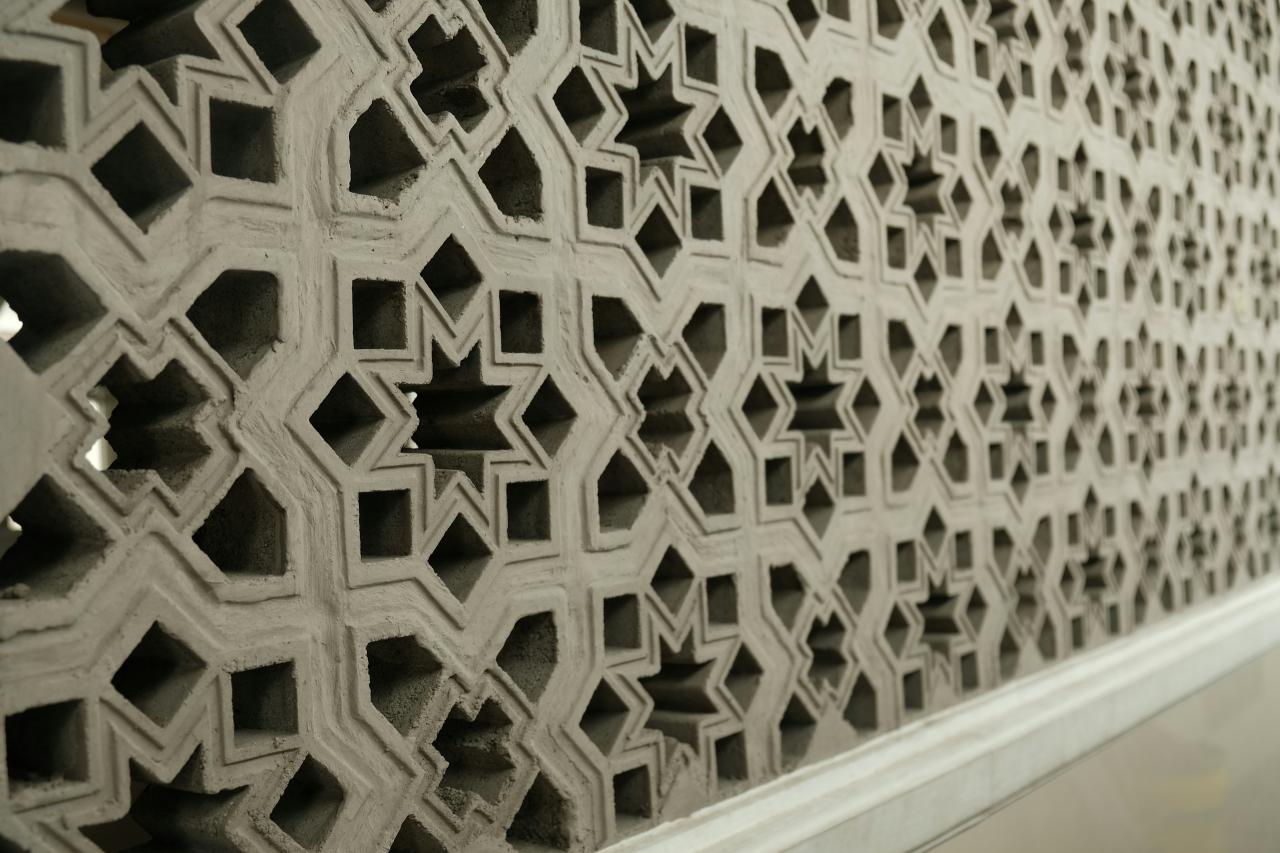
The art of interior design has moved far beyond simple color palettes and basic furniture arrangements into a sophisticated world of sensory experience. For many decades, home decorators focused primarily on smooth, flat surfaces and functional lighting that provided basic visibility without any character.
This traditional approach often created “sterile” environments that lacked depth and failed to evoke an emotional response from the people living in them. However, the emergence of layered textures combined with dramatic statement lighting now allows us to create rooms that feel alive and multi-dimensional.
This transition represents a monumental shift from boring, two-dimensional decorating to a high-performance visual feast that plays with shadows and touch. We are entering an era where 3D wall panels, natural fibers, and sculptural light fixtures serve as the primary tools for establishing a home’s unique personality.
This innovation addresses the critical challenge of making modern, minimalist spaces feel warm and inviting rather than cold and empty.
By integrating these tactile elements with smart lighting strategies, you can transform a plain room into a luxurious sanctuary that stimulates both the eyes and the spirit. This article explores the most effective and proven methods for combining textures and lighting to elevate your living experience today.
The Impact of Tactile 3D Wall Surfaces

Modern wall design is moving away from flat paint toward three-dimensional surfaces that invite you to reach out and touch them. Whether you choose fluted wood panels, raw stone, or acoustic fabric tiles, these textures add a layer of sophistication that paint alone cannot achieve.
I believe that “tactile depth” is the most powerful tool for solving the problem of a room that feels “echoey” or impersonal. You solve the problem of visual boredom by creating a focal point that changes its appearance based on how the light hits it throughout the day.
This perspective turns your walls into a dynamic canvas, ensuring your home always feels high-end and thoughtfully curated without needing expensive art.
A. Fluted and Slatted Wood Paneling
Wood slats provide a rhythmic and linear texture that makes low ceilings feel much taller and rooms feel more organized.
This texture works perfectly in home offices or behind bed headboards to create a professional yet cozy atmosphere. It also helps with sound absorption, making your private spaces feel quieter and more secluded from the rest of the busy house.
B. Natural Stone and Exposed Brickwork
Raw materials like slate, marble, or reclaimed brick bring an earthy and grounding element to modern interiors that feel too artificial.
These surfaces have natural imperfections that catch the light in unique ways, adding a sense of history and permanence to the space. They provide a sturdy backdrop for sleek, modern furniture, creating a beautiful balance between the old world and the new digital age.
C. Acoustic Fabric and 3D Felt Tiles
For media rooms or bedrooms, soft textures like felt or velvet wall panels provide both visual warmth and incredible sound dampening.
These panels come in various geometric shapes that you can arrange in custom patterns to create a unique piece of wall art. They make a room feel incredibly “soft” and intimate, providing a perfect environment for relaxation and deep, uninterrupted sleep.
Sculptural Lighting as a Visual Anchor
Statement lighting acts as the “jewelry” of a room, providing a central masterpiece that draws the eye and sets the tone for the entire space. Instead of hiding your lights in the ceiling, you should choose fixtures that look like sculptures even when they are turned off.
My new perspective is that “luminaire bravery” is the best way to solve the problem of a room that lacks a clear identity or soul.
You solve the problem of a “flat” interior by choosing oversized chandeliers or artistic floor lamps that break the visual horizontal lines of your furniture. This perspective gives your home an immediate “wow factor,” making your guests feel like they are stepping into a professional design gallery.
A. Oversized Pendants and Grand Chandeliers
A large light fixture over a dining table or in a foyer creates an instant sense of luxury and importance for that specific zone.
These pieces serve as a conversation starter and help define the boundaries of an open-plan living area without the need for walls. Choosing materials like hand-blown glass or brushed brass adds a layer of material richness that elevates the entire surrounding decor.
B. Articulated Floor Lamps and Arc Lights
Floor lamps with long, sweeping arms allow you to position light exactly where you need it while adding a dramatic silhouette to the room.
These fixtures are perfect for reading nooks or for highlighting a specific piece of furniture that you want people to notice. They bridge the gap between functional furniture and fine art, providing both utility and a high-value aesthetic for your living room.
C. Geometric and Minimalist Linear Fixtures
For those who prefer a modern look, sleek LED bars and geometric wireframes provide a clean and futuristic vibe that doesn’t overwhelm the space.
These lights use the latest technology to provide high-quality illumination while maintaining a very small physical footprint. They work best in kitchens or hallways where you want to emphasize the clean lines and architectural precision of your home’s design.
The Synergy of Grazing Light and Texture
Lighting and texture are inseparable partners; if you have a textured wall but poor lighting, the detail will be lost in the darkness. “Grazing” is a technique where you place light sources very close to a textured surface to cast long, dramatic shadows that highlight every bump and ridge.
I suggest that “shadow choreography” is the ultimate secret to making a standard home look like a multi-million dollar luxury estate. You solve the problem of “invisible textures” by installing hidden LED strips or directional spotlights that rake across your walls.
This perspective allows you to change the mood of your room instantly, moving from a bright work environment to a moody, cinematic lounge at night.
A. Recessed LED Strips for Wall Washing
Installing light strips in a hidden cove at the top or bottom of a wall creates a soft, even glow that emphasizes the verticality of the texture.
This method is perfect for highlighting stone walls or fluted wood without creating harsh glares or hotspots. It makes the wall appear as if it is glowing from within, providing a magical and calming effect for your evening relaxation.
B. Directional Track Lighting and Spotlights
Spotlights allow you to pick out specific textures or architectural features and make them the star of the show.
You can adjust the angle of the beam to create more or less shadow depending on how dramatic you want the texture to appear. This flexibility is great for gallery walls or textured accent walls where you want to control the visual focus of the room.
C. Uplighting for Dramatic Shadow Play
Placing small lights on the floor and pointing them upward creates a unique and slightly mysterious atmosphere that we don’t often see in standard homes.
This technique highlights the bottom-up texture of plants or rough-hewn stone, casting shadows onto the ceiling for a total 360-degree visual experience. It adds a layer of theatrical flair to your home that feels both sophisticated and very intentional.
Layering Light for Functional Wellness
A well-designed room uses three layers of light: ambient for general brightness, task for specific activities, and accent for mood and beauty. Relying on a single overhead light is the biggest mistake you can make because it creates flat, unflattering shadows and causes eye strain.
My perspective is that “luminous layering” is the best way to solve the problem of midday fatigue and evening restlessness in our high-stress world.
You solve the problem of a “one-dimensional” room by having multiple light sources that you can mix and match depending on the time of day. This perspective supports your natural biological clock, helping you stay energized during the day and relaxed as you prepare for bed.
A. Ambient Lighting as the Foundation
This is your base layer of light that provides enough visibility to move around safely and perform basic tasks throughout the house.
It should be soft and diffused to avoid creating harsh glares on your textured surfaces or computer screens. High-quality ambient light makes the whole room feel warm and welcoming, acting as the “glue” that holds all your other design elements together.
B. Task Lighting for Precision and Focus
Under-cabinet lights in the kitchen or a dedicated lamp on your desk provide the bright, focused light needed for detailed work.
Task lighting prevents you from working in your own shadow, which reduces eye fatigue and improves your overall productivity and accuracy. It allows you to keep the rest of the room’s lighting dim and atmospheric while still having plenty of light for the job at hand.
C. Accent Lighting for Emotional Depth
Accent lights are used to highlight art, plants, or those 3D textured walls we discussed earlier, adding the final “sparkle” to your design.
These lights don’t provide much utility, but they are essential for creating a sense of luxury and emotional resonance in your home. They are the lights you keep on when you have guests over or when you want to enjoy a quiet glass of wine at the end of a long day.
Using Natural Textures for Organic Warmth
In a world filled with digital screens, we have a deep biological craving for natural materials like wool, linen, wood, and clay. These materials have inherent textures that feel “honest” and grounding, helping to reduce stress levels the moment you enter the room.
I believe that “biophilic tactile design” is a mandatory requirement for maintaining mental health in a modern urban environment. You solve the problem of “tech-burnout” by surrounding your body with soft, organic fibers that provide a comforting sensory experience.
This perspective makes your home a sanctuary for your nervous system, allowing you to recharge your internal batteries far more effectively than in a sterile, plastic-filled space.
A. The Comfort of Chunky Knits and Woven Rugs
Adding a heavy knit throw or a high-pile wool rug adds immediate physical and visual warmth to any seating area.
These textures absorb sound and feel amazing against the skin, making your living room the ultimate place for relaxation and family connection. They provide a “soft” landing for your senses after a day spent in the hard, sharp world of the city.
B. Clay and Ceramic Accents for Hand-Crafted Appeal
Handmade pottery and matte ceramic vases add a touch of human craftsmanship that you can’t get from mass-produced items.
The slight irregularities in the surface of a hand-thrown bowl tell a story of artistry and care, adding a soulful element to your shelves or tables. These small textures are the “finishing touches” that make a house feel like a home with a unique and personal history.
C. Linen and Jute for Breezy Naturalism
Linen curtains and jute rugs provide a light, airy texture that is perfect for creating a coastal or “boho” vibe in your home.
These materials are highly durable and eco-friendly, making them a smart choice for the environmentally conscious decorator. They bring a touch of the outdoors inside, helping you feel connected to the natural world even when the windows are closed.
Smart Technology for Adaptive Environments
The final step in mastering lighting and texture is integrating smart home technology that allows your home to adapt to your needs automatically. Smart dimmers and color-changing bulbs allow you to shift from “cool white” for cleaning to “warm amber” for a romantic dinner with a single voice command.
My new perspective is that “intelligent illumination” is the ultimate luxury for the modern person who values both performance and peace of mind.
You solve the problem of manual adjustments by setting scenes that automatically change based on the sun’s position or your personal calendar. This perspective ensures that your textured surfaces always look their best, no matter what time you walk through the front door.
A. Automated Dimming and Scene Setting
Smart systems allow you to group different lights together into “scenes” like “Movie Night” or “Morning Wakeup.”
This ensures that the ratio between your ambient, task, and accent lighting is always perfect without you having to touch five different switches. It provides a seamless and high-tech experience that makes your life easier and your home much more enjoyable to live in.
B. Tunable White Technology for Circadian Health
Modern LED bulbs can change their color temperature from blue-white in the morning to a warm, fire-like orange in the evening.
This mimics the natural progression of the sun, helping to keep your body’s internal clock in perfect sync with the world outside. It is a powerful health tool that can improve your sleep quality and your daytime alertness significantly without any extra effort on your part.
C. Voice Control and Sensor-Based Activation
Hands-free control allows you to adjust your lighting even when your hands are full or when you are already tucked into bed.
Motion sensors in hallways or bathrooms ensure that you never have to fumbled for a switch in the dark, providing a safe and high-end feel to your daily routines. These small technological touches add up to a home that feels like it is truly working for you, rather than the other way around.
Conclusion

Textured surfaces are the best way to fix your home today. You must choose the right and smart lights to reach goals. 3D wall panels ensure that your home stays fast and stable.
You solve your daily work problems by using a smart system. Flat white walls are the slow and hard relics of the past. The future belongs to those who use light for unique growth.
Sculptural lamps act as a professional and high value shield for art. Layered lighting helps you build a better life while you enjoy time. Visual depth acts as a legal and very strong wall today.
Innovation in the world of design is a victory for every human. Every single shadow is a step toward a much better future. The best time to start your high speed design plan is now.
Support your future success by treating your home like a tool. Stay curious about new tech to keep your daily life at the edge. The journey to total and final design freedom starts with one choice.

