

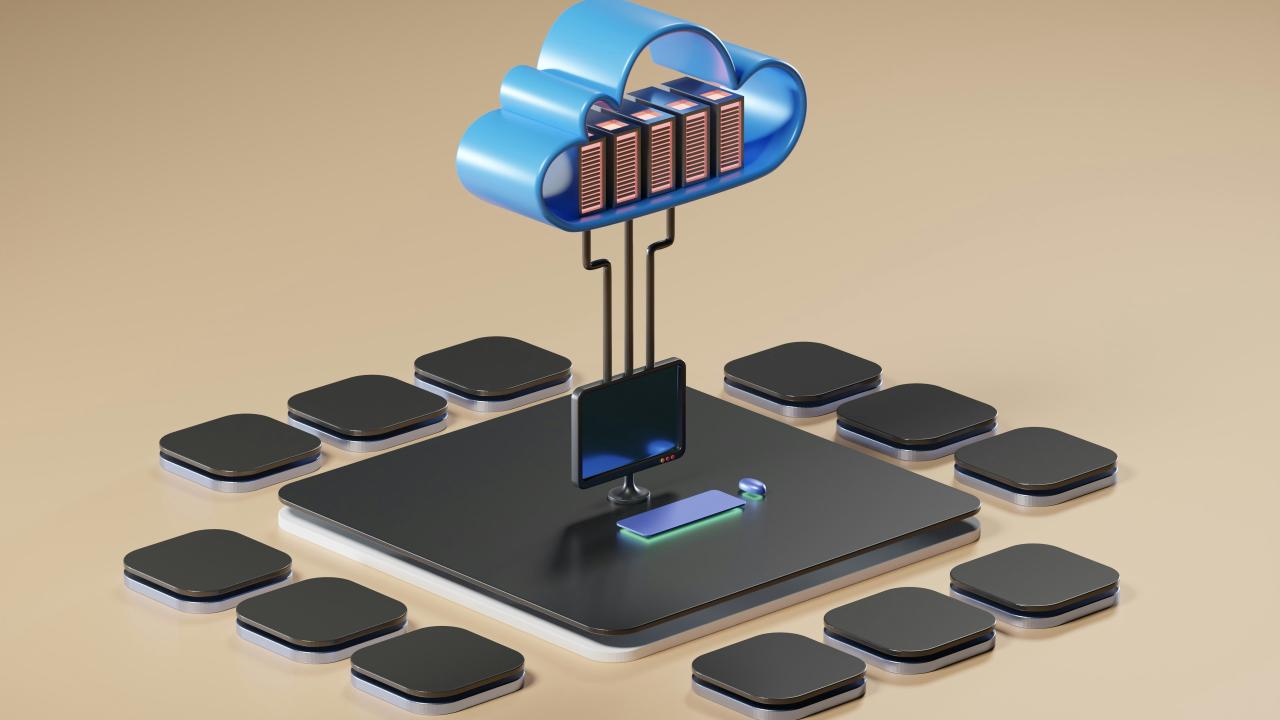
The rapid expansion of the global digital economy has created an unprecedented demand for data processing and massive cloud storage infrastructure.
For many decades, the primary goal of the technology sector was to increase speed and connectivity at any cost, often ignoring the environmental impact of these massive server farms.
This traditional mindset led to a world where data centers consume as much electricity as entire medium-sized nations, contributing significantly to global carbon emissions.
However, the emergence of sustainable digitalization now allows companies to optimize their virtual operations to be both high-performing and environmentally friendly.
This transition represents a monumental shift from wasteful, “always-on” hardware to intelligent, green-energy-driven cloud ecosystems that prioritize carbon neutrality. We are entering an era where software efficiency and server utilization are just as important as the total amount of data being processed.
This innovation addresses the critical challenge of climate change by reducing the thermal output and energy waste of our global digital backbone.
By integrating green coding practices with smart infrastructure management, you can lower your organization’s environmental impact while actually improving your long-term operational efficiency.
This article explores the most effective and proven methods for reducing your cloud carbon footprint and how you can master a sustainable digital future.
Optimizing Server Utilization and Reducing Idle Resources

Most cloud environments suffer from massive “zombie” resources where virtual machines and storage blocks stay active even when they are not performing any useful work. Many businesses pay for massive server capacity that they only use during peak hours, leaving the rest of the energy to go to waste during the night.
I believe that “dynamic scaling” is the most effective way to cut your digital waste without sacrificing the speed of your customer experience. You solve the problem of wasted electricity by implementing automated systems that turn off unused resources the moment they are no longer needed.
This perspective turns your cloud architecture into a lean and responsive system that only consumes exactly what it requires to function perfectly.
A. Right-Sizing Your Virtual Machine Instances
Choosing the exact amount of CPU and memory for your specific workload prevents the common habit of “over-provisioning” which wastes money and energy.
Analyzing your performance data allows you to downgrade to smaller instances that perform the same tasks with much lower power requirements. This precise matching of hardware to software needs is the foundation of a truly sustainable and high-performance digital strategy.
B. Implementing Auto-Scaling and Load Balancing
Automated tools can detect when traffic is low and shut down extra servers to ensure that every active machine is running at peak efficiency.
This prevents a scenario where ten servers are running at ten percent capacity when one server could handle the entire load at ninety percent. It keeps your carbon footprint low during quiet periods while ensuring you have the power to handle sudden surges in user demand.
C. Identifying and Deleting Orphaned Data Blocks
Data centers must keep disks spinning and cooled even if the files stored on them are no longer being accessed by any user or application.
Regularly auditing your cloud storage to find and delete old backups or abandoned testing environments can lead to massive energy savings over time. This “digital housekeeping” ensures that your storage footprint is restricted only to the data that provides actual value to your business operations.
The Shift Toward Green Energy Data Centers
The location and energy source of your cloud provider are the biggest factors in determining the total carbon footprint of your digital operations. Leading cloud companies are now investing billions of dollars in wind and solar farms to power their facilities with 100% renewable energy.
My new perspective is that “geographical carbon-awareness” is a mandatory skill for every modern IT manager who wants to build a truly green brand.
You solve the problem of “dirty energy” by migrating your workloads to regions where the local power grid is primarily supported by sustainable and clean sources. This perspective allows you to take advantage of the natural climate of certain regions, such as using cold arctic air for natural cooling of the server racks.
A. Choosing Carbon-Neutral Cloud Regions
Most major providers now label specific regions that run on renewable energy, allowing you to choose the greenest option with a single click.
Even if the latency is slightly higher, the environmental benefits of hosting your data in a low-carbon zone far outweigh the minor technical trade-offs. It shows your customers that you are committed to a sustainable future by making active choices about where your digital assets reside.
B. Waste Heat Recovery Systems
Some modern data centers are now capturing the massive heat generated by their servers and piping it into nearby homes and offices to provide heating.
This circular energy model turns a waste product into a valuable resource, significantly reducing the total environmental impact of the facility. Supporting providers who use these innovative systems helps drive the entire industry toward a more responsible and efficient future.
C. Advanced Cooling Technologies and Efficiency
Data centers use a Power Usage Effectiveness (PUE) rating to measure how much energy goes to the servers versus how much is wasted on cooling.
Look for facilities that use “liquid cooling” or “immersion cooling,” which are much more efficient at managing high temperatures than traditional air conditioning. These advanced technologies allow for higher server density and lower energy waste, making them the gold standard for green digitalization.
Green Coding and Software Efficiency
The way you write your software code determines how hard the server has to work and how much electricity it will consume to process a request. Inefficient algorithms and bloated codebases require more CPU cycles, which directly leads to a higher carbon footprint for every user interaction.
I suggest that “carbon-aware programming” is the next frontier of professional software engineering for the modern age. You solve the problem of “software bloat” by optimizing your functions to use as little memory and processing power as possible.
This perspective creates a faster and more responsive application while simultaneously reducing the thermal output of the data centers that host your code.
A. Choosing Energy-Efficient Programming Languages
Some languages, like C++ and Rust, are significantly more energy-efficient than interpreted languages like Python or Ruby because they require fewer CPU cycles to execute.
While the choice of language depends on many factors, selecting the most efficient tool for high-traffic functions can lead to a massive reduction in your total energy usage. It is a subtle but powerful way to build sustainability directly into the DNA of your digital products.
B. Minimizing Data Transfer and API Calls
Every kilobyte of data sent over the internet consumes energy in the routers and switches that connect the user to your server.
Optimizing your images, using efficient data formats like JSON, and reducing unnecessary network requests can lower your carbon impact significantly. This also improves the load times for your users, creating a win-win scenario where efficiency leads to a better overall customer experience.
C. Refactoring Legacy Code for Performance
Older systems often contain “technical debt” in the form of inefficient loops and outdated libraries that waste processing power every single second.
Investing time in refactoring your core codebase to remove these bottlenecks is one of the most effective long-term strategies for digital sustainability. It keeps your system modern, secure, and lean, ensuring that you are not wasting resources on tasks that could be handled much more simply.
Serverless Computing and Shared Responsibility
Serverless architecture allows developers to run code only when a specific event occurs, meaning the server is completely inactive and consumes zero power when no one is using the app.
This “on-demand” model is much more efficient than keeping a dedicated server running 24 hours a day for an application that only sees occasional traffic. My perspective is that “functional isolation” is the ultimate tool for companies that want to scale rapidly without scaling their carbon footprint at the same rate.
You solve the problem of idle power consumption by moving toward a microservices model where resources are only created and destroyed in real-time. This perspective aligns your costs directly with your environmental impact, as you only pay for—and only power—the exact functions that are being executed.
A. Event-Driven Architecture and Efficiency
Instead of a server waiting for a request, an event-driven system “wakes up” only when a user performs a specific action.
This eliminates the base-level energy consumption that usually accounts for a large portion of a data center’s total carbon footprint. It is the perfect solution for tasks like image processing, sending emails, or updating database records that do not require constant server activity.
B. Shared Resource Pools and Multitenancy
Cloud providers can pack thousands of different serverless functions onto a single physical machine, ensuring that the hardware is always running at its peak efficiency.
This shared model reduces the total number of physical servers needed globally, which lowers the carbon emissions associated with manufacturing and transporting hardware. It is a more democratic and efficient way to use the world’s computing power for the benefit of everyone.
C. Optimizing Cold Starts and Execution Time
A well-designed serverless function should execute in milliseconds to minimize the total amount of energy used for each request.
Reducing the “cold start” time and the memory footprint of these functions ensures that the cloud provider can move them quickly across their infrastructure for maximum efficiency. This technical focus on speed is directly linked to the environmental performance of your entire digital ecosystem.
Circular Economy and Hardware Longevity
The carbon footprint of the cloud also includes the massive amount of energy used to mine raw materials and manufacture the physical servers themselves. When data centers replace their hardware every three years, they create a massive amount of electronic waste and require new resources to be extracted from the earth.
I believe that “extended hardware lifecycles” are a critical part of a sustainable digital strategy that looks at the entire life of a machine.
You solve the problem of industrial waste by supporting providers who repair and repurpose their old servers instead of simply throwing them away. This perspective encourages a circular economy where the digital world respects the finite resources of the physical planet.
A. Refurbished Hardware and Secondary Markets
Many servers that are no longer fast enough for high-end AI tasks are still perfectly capable of handling basic web hosting or storage needs.
Encouraging the use of refurbished hardware in secondary data centers helps keep these machines out of landfills and reduces the demand for new production. It is a smart and cost-effective way to build a sustainable digital infrastructure that values longevity over constant replacement.
B. Modular Server Design for Easy Repair
Modern servers should be designed so that individual components, like power supplies or fans, can be easily replaced without needing to throw away the entire unit.
This modularity extends the life of the machine and reduces the carbon emissions associated with shipping and manufacturing new parts. It allows the data center to stay modern and efficient while keeping its physical footprint as small as possible.
C. Responsible Electronic Waste Recycling
When hardware finally reaches the end of its useful life, it must be recycled in a way that recovers precious metals like gold, copper, and lithium.
Professional recycling ensures that these toxic materials do not leak into the environment and that they can be used to build the next generation of tech. This final step in the cycle is essential for a truly “green” digitalization process that respects the earth from start to finish.
Measuring and Reporting Your Digital Impact
You cannot manage what you do not measure, and modern cloud platforms now provide detailed dashboards that show your real-time carbon emissions. These reports allow you to see exactly which apps and services are your biggest “carbon offenders,” giving you the data you need to make smart changes.
My new perspective is that “carbon transparency” will soon be a standard requirement for all businesses that want to maintain trust with their customers and investors.
You solve the problem of “greenwashing” by using hard data to prove that your digital operations are becoming more efficient every single month. This perspective turns your sustainability report into a powerful marketing tool that demonstrates your leadership in the green technology revolution.
A. Cloud Carbon Footprint Dashboards
Major providers now offer free tools that calculate the emissions based on your specific energy usage and the carbon intensity of the local grid.
These visual tools make it easy to see the impact of your architectural choices and to set realistic goals for reduction over the coming year. They provide the “smoking gun” that can convince stakeholders to invest in more efficient coding or infrastructure projects.
B. Third-Party Audits and Certifications
Getting an independent audit of your digital sustainability can provide a level of credibility that internal reports simply cannot match. Certifications like “B-Corp” or specific ISO standards for energy management show the world that you are committed to the highest levels of environmental responsibility.
This trust is becoming a major factor in how modern consumers choose which digital services to support and which ones to ignore.
C. Setting Net-Zero Goals for Digital Growth
Companies should set clear deadlines for when their entire digital operations will reach a “net-zero” carbon impact.
This requires a combination of efficiency improvements, renewable energy purchases, and high-quality carbon offsets for the emissions that cannot be removed. Having a clear destination helps your team stay focused and motivated to find new and innovative ways to save energy every single day.
Conclusion

Sustainable digitalization is the best and only way to grow your business today. You must choose the right and smart tech to reach your high goals. Reducing your cloud footprint ensures that your brand stays strong and stable.
You solve your daily work problems by using a very high speed system. Wasteful server habits are the slow and hard relics of the manual past. The future belongs to those who use green data for unique growth.
Smart coding acts as a professional and high value shield for the earth. Energy efficiency helps you build a better life while you enjoy your time. Carbon neutrality acts as a legal and very strong wall against future failure.
Innovation in the world of the cloud is a major victory for every human. Every single saved watt is a step toward a much better and bright future. The best time to start your high speed green digital plan is now.
Support your future success by treating your cloud like a high value tool. Stay curious about new tech to keep your daily performance at the edge. The journey to total and final digital freedom starts with one smart choice.

